Spirit Led Leadership

Leadership, at its core, is a divine partnership with God, guided by the Holy Spirit. God, in His wisdom, assesses a person's character before bestowing them with the tools, authority, and influence to lead others.
Spirit-led leaders are not chosen based on worldly criteria such as position, status, education, or resources, but rather on the purity and sincerity of their hearts.

When Christians actively pursue their relationship with Jesus, the Holy Spirit in them produces Christ-like fruit. Love, joy, peace, patience, gentleness, goodness, kindness, faithfulness, and self-control make up the characteristics of Christ and are one fruit. Each aspect makes the character traits of spirit-empowered leaders. One that stands out is long-suffering or patience. Leaders must face challenges that require the Holy Spirit to cover them in grace. The Apostle Paul cried out for help, and the answer he received was that God's grace is sufficient (Voight, 1988, p. 44). Another example is Caesar Nero's palace servants, who were Christians serving the very man who persecuted Christians (Voight, 1988, p. 45). Voight reasons that even when trials arise, the Holy Spirit allows us to be joyful and victorious.

An example of the Holy Spirit's leading happened just before 2020. In December, the Chinese police were raiding underground churches. Our group had taken extreme measures to ensure we stayed under the radar. However, fear tried to set in when we heard the police were checking every business in the building where we held services. There was no escape, so we all sat quietly and prayed. The police never came to our conference room, and we had one of the best meetings of the year. The Holy Spirit covered us in grace, and we victoriously triumphed over the spirit of fear.

What is an example you can think of where the fruit of the spirit empowered you to rise above your fears?

Reference

 Voight, R. G. (1988). The Complete Perfect Salvation in Christ Jesus. Oral Roberts University.
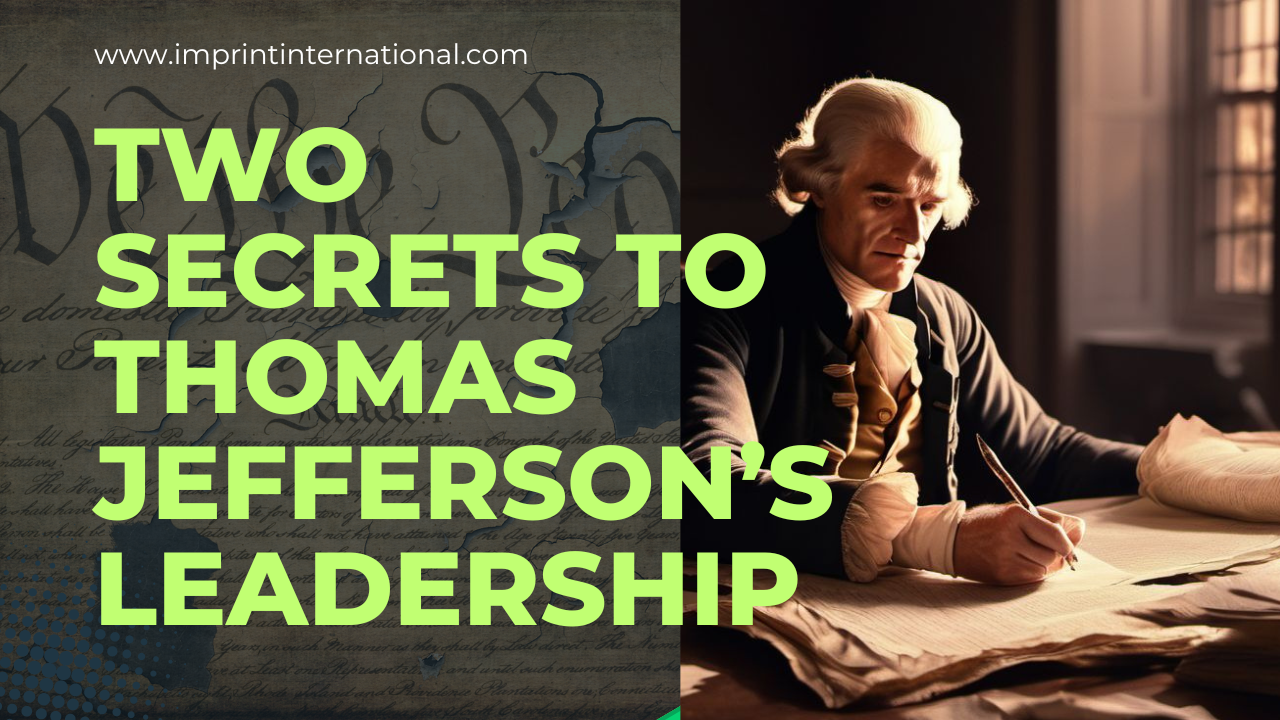
Two Secrets to Thomas Jefferson's Leadership

Happy Independence Day ( or week ) everyone. During this week of American Independence, we cherish our freedom and, we are thankful for the host of heroes who fought and died for that freedom. Will that age of American heroes come again? One of those men Thomas Jefferson the writer of The Decoration of Independence holds some leadership keys that we can learn and grow from here in America and around the world.

Historian and Biographer Jon Meacham writes of Thomas Jefferson in his book “Thomas Jefferson; The Art of Power, he shares several stories about how Thomas Jefferson was a master of 1) listening and 2) connecting with others so that they would walk away feeling that he was their friend. Jefferson was a master at these two powerful leadership skills that transcended his highborn, privileged, influential status. To illustrate this I have included a quote from the book.

      • Quote: “He immersed himself in the subtle skills of engaging others, chiefly by offering people that which they value most: an attentive audience to listen to their own visions and views. Politicians often talk too much and listen too little, which can be self-defeating, for in many instances the surer route to winning a friend is not to convince them that you are right but that you care what they think. A grandson described Jefferson's tactical approach to personal ex-changes. "His powers of conversation were great, yet he always turned it to subjects most familiar to those with whom he conversed, whether laborer, mechanic, or other.”-Thomas Jefferson, The Art of Power.

Application Step: How can you learn from Jefferson? What application steps can you take today to grow in your listening and connecting?

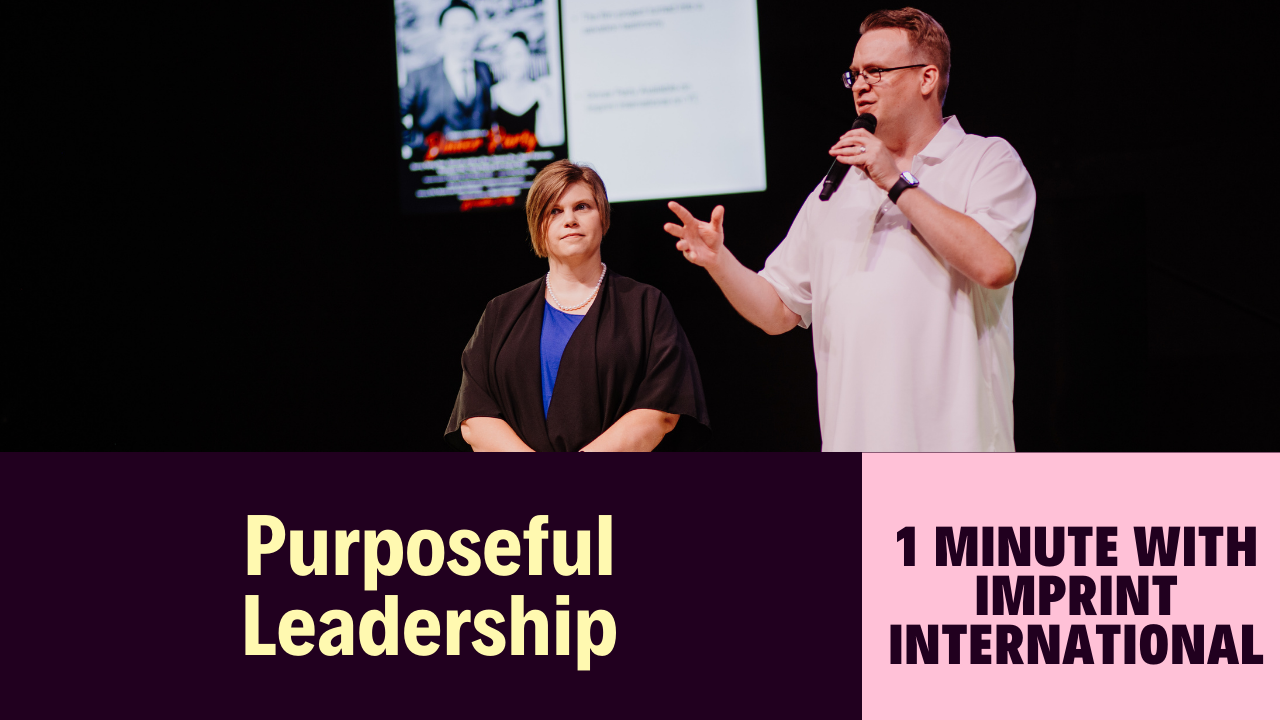
Purposeful Leadership

Have you ever tried to follow a directionless leader? It is challenging. God created different leaders for different purposes, each driven by their unique gifts and experiences.

Oral Roberts was a leader of purpose. He acted on the words he heard from the Lord throughout his ministry. He even tested God to be sure it was from the Lord. The example of the “City of Faith” comes to mind. Oral Roberts received the word in 1986 to close the doors; however, over the next couple of years waited for confirmation. He received several confirmations and finally closed the doors in 1989 (Roberts, 2009). Oral Roberts always had a clear direction and then ventured into something new. He measured against the words he received when he was eighteen years old. He formed a philosophy in his foundational phase of leadership, which gave him discernment of where to spend his time and resources to be more effective in his ministry. In Clinton’s book, The Making of a Leader, he makes observations of leaders over the years to confirm that leaders who want to be effective and reach the final phase of leadership should have a philosophy to help guide them throughout their ministry and empower others (Clinton, 2012).

We need to spend some time going into more depth on our ministry values. Our ministry philosophy is to imprint Jesus on cultures around the globe through evangelism and discipleship. We use our values, such as the word, prayer life, faith, and community, not only to help guide us when discerning the next steps in ministry, but also to keep us grounded and focused on our mission.

In ministry, there are no easy tasks; nonetheless, having a guide is essential to discern your ministry’s focus. What is your philosophy? Remember, you are not alone in these challenges, and having a clear philosophy can provide the support and guidance you need as your leadership grows. 


References:

Clinton, Dr. J. R. (2012). The Making of a Leader, Second Edition: Recognizing the Lessons and Stages of Leadership Development (Second Edition). NavPress. https://books.apple.com/us/book/the-making-of-a-leader/id1377836035

Roberts, O. (2018). The Ultimate Voice: God’s still small voice: The clearest and loudest voice you’ll ever hear. XanEdu. https://x2.xanedu.com/course_packs/761372/article/a4navPoint-1/


A New Phase of Leadership: Learning from Oral Roberts

History is full of spirit-empowered leaders from whom we can learn. Oral Roberts's life is a legacy from which we can draw lessons.

When Oral Roberts was young, he received a word from God that would guide his life’s work. However, he immediately began working in the capacity that God told him. Instead, Oral Roberts worked as a pastor for over a decade as he developed into the man God can flow through. According to Clinton’s phases, Oral was in the second phase, doing provisional work for his family, growing in his capacity and faith, and learning more about Jesus’ ministry. During this phase, Oral learned that he was not to follow the earthly examples of the ministers around him. He had to lay aside his desire for approval from the world to pursue God’s approval (Roberts, 2018). Then, Oral Roberts began to seek God by fasting, praying, and reading the Word.

He even describes a moment similar to Jacob’s experience in Genesis 32. Both men were tired of feeling stuck in their phase and would not let go until they received a blessing from God. After that moment with God, Oral Roberts was almost ready for his breakthrough. When he asked God for confirmation of the transition into the next phase of his ministry, it was not enough to receive the anointing; waiting on the Lord for the proper timing is imperative to growing into the leader God created him to be.

Are you ready to break free from the feeling of being stuck, just like Oral Roberts and Jacob? What steps are you willing to take to move into your next phase?

Don’t miss our “1 Minute with Imprint International” Podcast on YouTube.

Reference

Roberts, O. (2018). The Ultimate Voice: God’s still small voice: The clearest and loudest voice you’ll ever hear. XanEdu. https://x2.xanedu.com/course_packs/761372/article/a4navPoint-1/