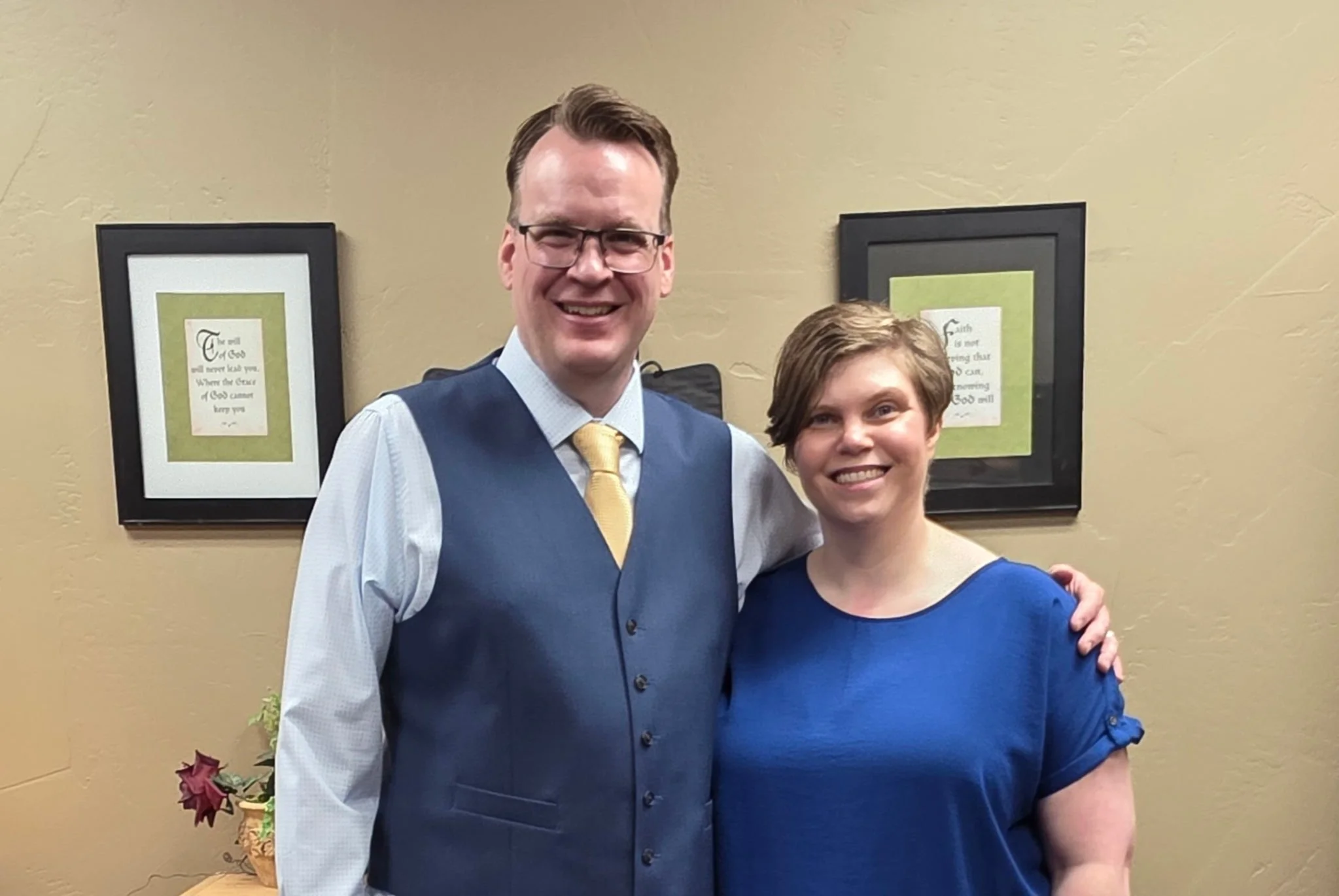
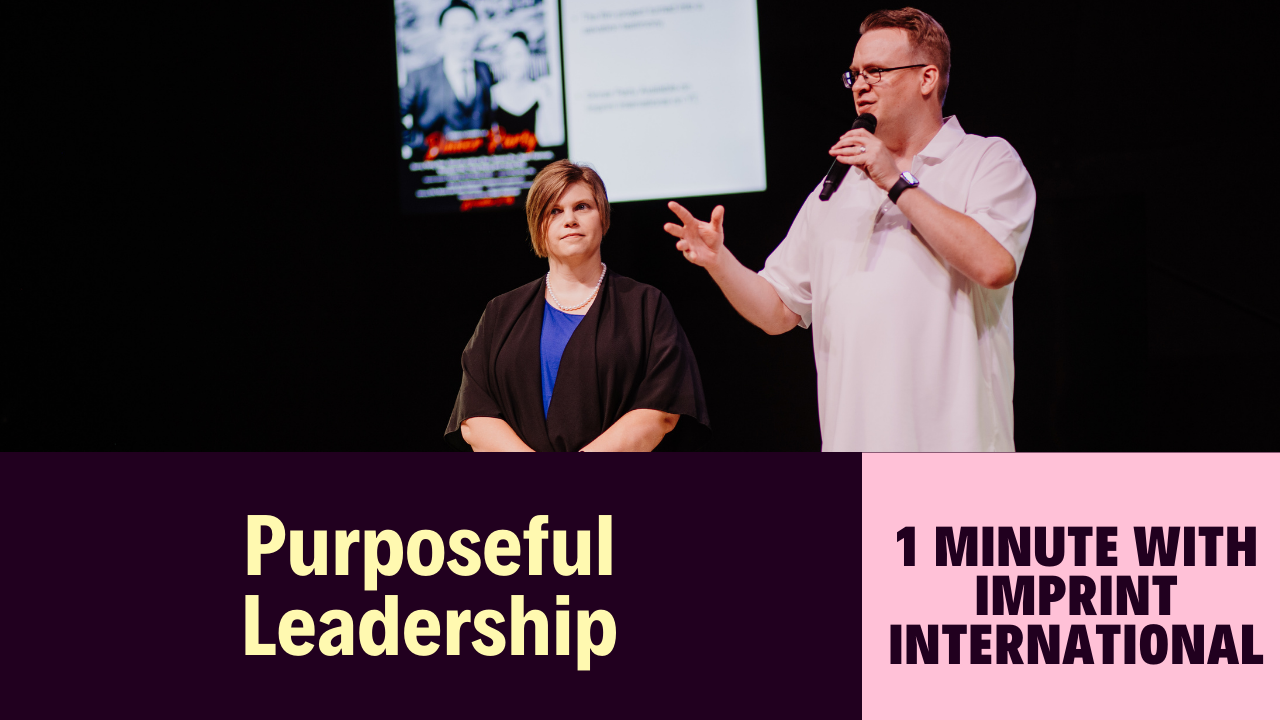
Purposeful Leadership

Have you ever tried to follow a directionless leader? It is challenging. God created different leaders for different purposes, each driven by their unique gifts and experiences.
Oral Roberts was a leader of purpose. He acted on the words he heard from the Lord throughout his ministry. He even tested God to be sure it was from the Lord. The example of the “City of Faith” comes to mind. Oral Roberts received the word in 1986 to close the doors; however, over the next couple of years waited for confirmation. He received several confirmations and finally closed the doors in 1989 (Roberts, 2009). Oral Roberts always had a clear direction and then ventured into something new. He measured against the words he received when he was eighteen years old. He formed a philosophy in his foundational phase of leadership, which gave him discernment of where to spend his time and resources to be more effective in his ministry. In Clinton’s book, The Making of a Leader, he makes observations of leaders over the years to confirm that leaders who want to be effective and reach the final phase of leadership should have a philosophy to help guide them throughout their ministry and empower others (Clinton, 2012).

We need to spend some time going into more depth on our ministry values. Our ministry philosophy is to imprint Jesus on cultures around the globe through evangelism and discipleship. We use our values, such as the word, prayer life, faith, and community, not only to help guide us when discerning the next steps in ministry, but also to keep us grounded and focused on our mission.

In ministry, there are no easy tasks; nonetheless, having a guide is essential to discern your ministry’s focus. What is your philosophy? Remember, you are not alone in these challenges, and having a clear philosophy can provide the support and guidance you need as your leadership grows. 


References:

Clinton, Dr. J. R. (2012). The Making of a Leader, Second Edition: Recognizing the Lessons and Stages of Leadership Development (Second Edition). NavPress. https://books.apple.com/us/book/the-making-of-a-leader/id1377836035

Roberts, O. (2018). The Ultimate Voice: God’s still small voice: The clearest and loudest voice you’ll ever hear. XanEdu. https://x2.xanedu.com/course_packs/761372/article/a4navPoint-1/
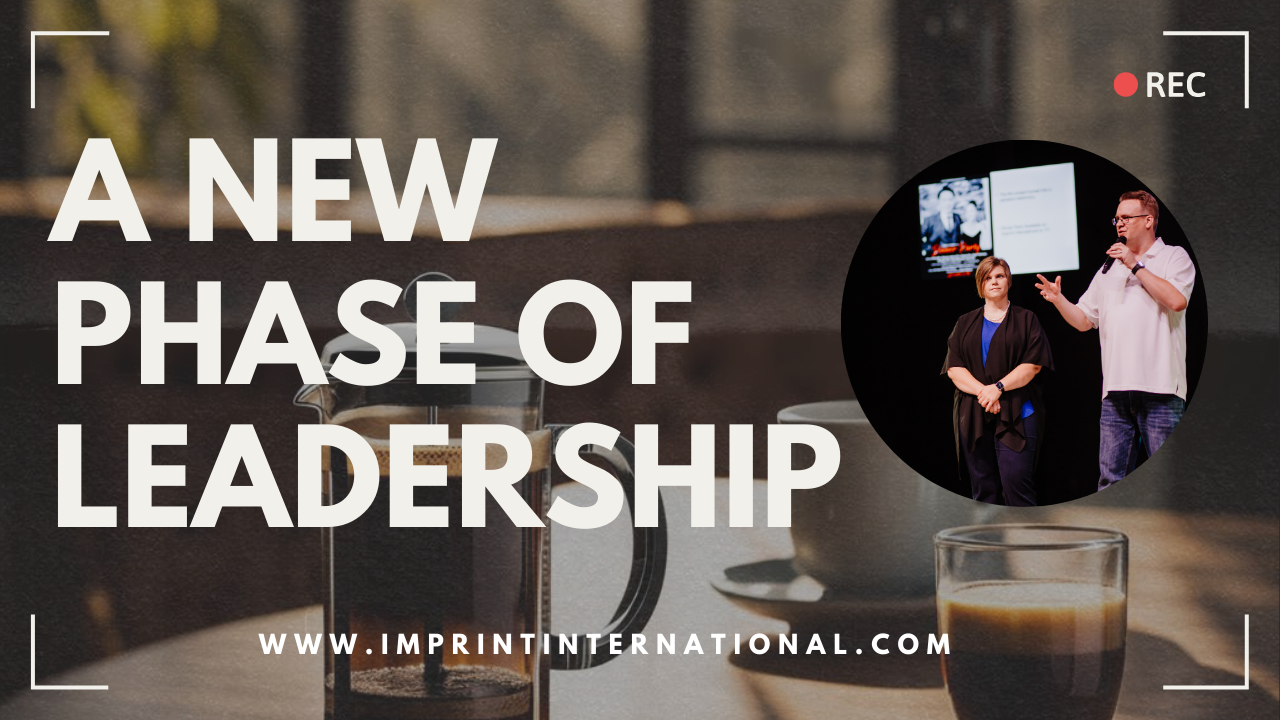
 

A New Phase of Leadership: Learning from Oral Roberts

History is full of spirit-empowered leaders from whom we can learn. Oral Roberts's life is a legacy from which we can draw lessons.

When Oral Roberts was young, he received a word from God that would guide his life’s work. However, he immediately began working in the capacity that God told him. Instead, Oral Roberts worked as a pastor for over a decade as he developed into the man God can flow through. According to Clinton’s phases, Oral was in the second phase, doing provisional work for his family, growing in his capacity and faith, and learning more about Jesus’ ministry. During this phase, Oral learned that he was not to follow the earthly examples of the ministers around him. He had to lay aside his desire for approval from the world to pursue God’s approval (Roberts, 2018). Then, Oral Roberts began to seek God by fasting, praying, and reading the Word.

He even describes a moment similar to Jacob’s experience in Genesis 32. Both men were tired of feeling stuck in their phase and would not let go until they received a blessing from God. After that moment with God, Oral Roberts was almost ready for his breakthrough. When he asked God for confirmation of the transition into the next phase of his ministry, it was not enough to receive the anointing; waiting on the Lord for the proper timing is imperative to growing into the leader God created him to be.

Are you ready to break free from the feeling of being stuck, just like Oral Roberts and Jacob? What steps are you willing to take to move into your next phase?

Don’t miss our “1 Minute with Imprint International” Podcast on YouTube.

Reference

Roberts, O. (2018). The Ultimate Voice: God’s still small voice: The clearest and loudest voice you’ll ever hear. XanEdu. https://x2.xanedu.com/course_packs/761372/article/a4navPoint-1/

 

BACK IN THE BOX: Servant and Steward Leadership

Treasure on earth.

There is a passage in Matthew where Jesus teaches us to build up the kingdom of heaven and not any one person’s ego. Jesus says, “Do not lay up for yourselves treasure on earth, where moth and rust destroy and where thieves break in and steal, but lay up for yourselves treasure in heaven...For where your treasure is, there your heart will be also” (Matthew 6:19-21, ESV).

John Ortberg gives an example of his childhood lesson. He played Monopoly with his grandmother, and when he finally became good enough to win, he felt great. But the lesson is, after the game ends, all of the properties, upgrades, and money are won; it all goes back into the box (Blanchard, 2012). That is what Jesus is teaching us in Matthew chapter six. If we build a reputation here, investing in status, power, and material comforts, it will all go to waste.

There is an important lesson here for leaders: not to be self-centered or self-serving but to serve. Rodin (2011) writes about the importance of decreasing ourselves so that Christ may increase. In doing so, he is saying that it is essential for leaders to surrender to Christ’s authority, power, and influence instead of exerting our influence over others. Leadership is a gift from God that can be given and taken away. God is looking for leaders who are humble, teachable, and of good character. However, God also removes the gift of leadership when leaders lose sight of what is essential, like King Saul, the first king of Israel. Jesus came to teach us how to be good leaders by serving us, but he also taught us to be good stewards. Servants do what they are instructed; a steward takes possession and responsibility for whatever is in their charge. The steward is responsible for growing and developing who is under their authority and then giving it back to the owner. As leaders, we are called to be good stewards, growing and developing new leaders.

How does stewardship fit in your description of leadership?

References

Blanchard, K. (2012, December 30). Lead Like Jesus. YouTube. https://web.archive.org/web/20190819042616/https://www.youtube.com/watch?v=a6RifrWYHrk

English Standard Version Bible. (2023). Olive Tree Bible Study Tools.

Rodin, R. S. (2011). Becoming a Steward Leader of No Reputation. Stewardship Ministries. https://stewardship.adventist.org/page684

Ethical Intelligence (EI)

Girl feeding dog.

You have heard of the Intelligence Quotient (IQ), Emotional Quotient (EQ), Social Quotient (SQ), and Adversity Quotient (AQ), but today, I want to discuss the ethical side of things, and I am going to refer to it as Ethical Intelligence or EI. Ethical intelligence (EI) is necessary for organizations to be sustainable and impactful in societies today. Wickham and O'Donoghue define EI as competent decision-making skills, ethical maturity, and the different intelligence types (2012, p. 12). The intelligence types include cognitive, moral, social, and emotional. Each of these brings additional attributes to complete an individual and an organization. Wickham and O'Donoghue also communicate the importance of organizations' need to develop human talent and capital.

When the staff is valued and developed, they are happy to get involved, and once involved, they again feel value and inspiration to carry out the values and ethics of the organization (Kogan, 2013). Each organization should develop methods to measure their compliance, teach it to the staff, and use it as a guide for doing business. Lantos and College (2002) share the importance of putting Christian values in the workplace. The "GOLDEN RULE" in Matthew is not just a Sunday School lesson for children but a motto to use with staff, customers, and stakeholders. Notre Dame Deloitte Center for Ethical Leadership (2017) shared that EI is consistency, transparency, and trust that enables an organization to build a reputation. People remember the organizations that take an ethical and moral stand and support them because of it. I have seen organizations destroyed because of a lack of ethical intelligence, and others who follow the principles discussed succeed.

How does ethical intelligence guide your organization?

Reference:

Kogan, P. (2013, November 15). Author Insights: Engaging employees in building an ethical culture. YouTube. https://www.youtube.com/watch?v=69F7sWHi2XI

Lantos, G. P., & College, S. (2002). Dialogue I: Christians in Non-Christian Arenas. JBIB. https://cbfa-jbib.org/index.php/jbib/article/view/361/362

Notre Dame Deloitte Center for Ethical Leadership. (2017, February 6). What is the secret to creating an ethical culture? YouTube. https://www.youtube.com/watch?v=AWxSgONt_iA

Wickham, M., & O’Donoghue, W. (2012). Developing an Ethical Organization: Exploring the role of ethical intelligence. Organization Development Journal, 30(2), 9–29.